
Water is one of our most precious natural resources, yet it is often the one we take for granted the most until the monthly utility bill arrives. For the modern homeowner, learning how to save water is a practical financial strategy that preserves the longevity of your home’s plumbing system. By implementing a few thoughtful changes to your daily routines and upgrading outdated fixtures, you will significantly reduce your household consumption without sacrificing your quality of life. Understanding where your water goes and where it is wasted is the first step toward a more sustainable, cost-effective household. When you commit to saving water, you are investing in your community’s future while keeping more money in your own pocket every single month.
Inspecting Fixtures to Save Water
The most common source of water waste in any residential property is the silent leak. A single dripping faucet or a running toilet could waste hundreds of gallons of water over the course of a year, often going unnoticed. To effectively save water, homeowners should conduct a quarterly audit of all sinks, showers, and outdoor spigots. Replacing a worn-out rubber washer or a faulty toilet flapper is an inexpensive DIY task that provides an immediate return on investment. If you are unsure if your toilet has a silent leak, placing a few drops of food coloring in the tank and waiting to see if the color seeps into the bowl without flushing is a foolproof way to identify a problem before it drains your bank account.
Smart Upgrades for the Bathroom
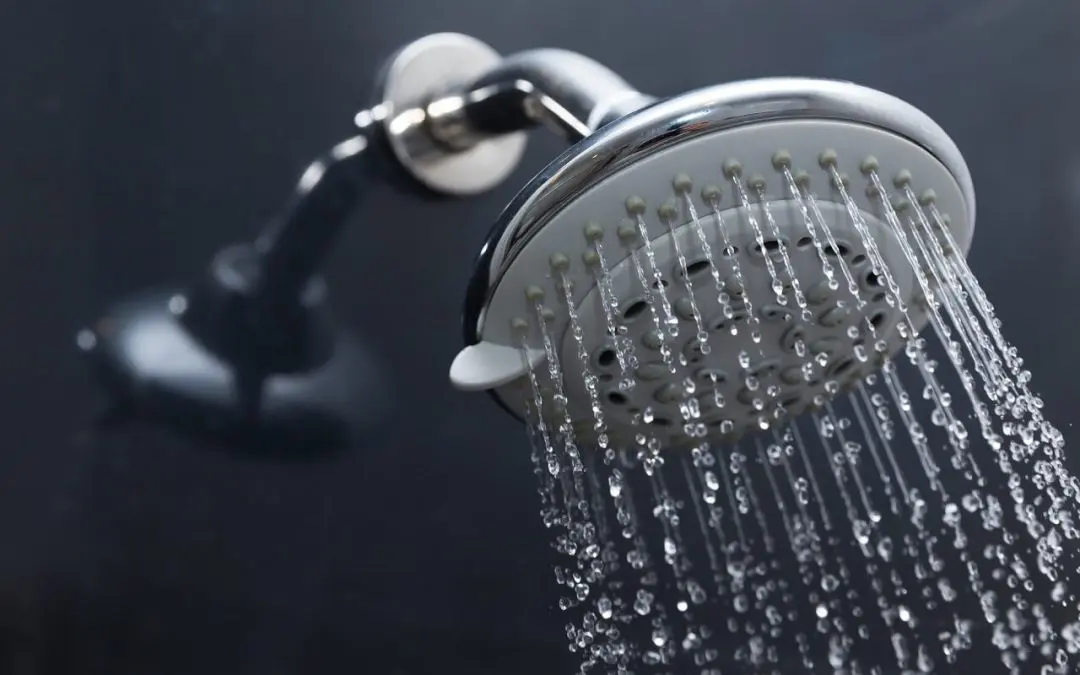
Since the bathroom is the room with the highest indoor water consumption, it represents the greatest opportunity for conservation. Modern low-flow showerheads and faucet aerators are designed to maintain high pressure while using significantly less volume than older models. These simple swaps allow you to save water every time you wash your hands or take a morning shower. Additionally, if your home still features an older, high-volume toilet, consider upgrading to a dual-flush model. These units allow you to choose a lower water volume for liquid waste, which will reduce your toilet-related water usage by more than half over the course of a year.
Kitchen Habits and Appliance Efficiency
In the kitchen, small changes in behavior can lead to substantial cumulative savings. Rather than letting the faucet run while rinsing dishes or scrubbing vegetables, try filling a basin or the sink with a small amount of water. Furthermore, many homeowners are surprised to learn that a modern, Energy Star-certified dishwasher actually uses less water than washing a full load of dishes by hand. To maximize your ability to save water, only run your dishwasher and washing machine when they are completely full. This ensures that every gallon used is performing the maximum amount of work possible, reducing the total number of cycles your appliances must run each week.
Save Water With Strategic Outdoor Management
During the warmer months, outdoor irrigation accounts for a spike in water consumption. To save water in your garden, transition your watering schedule to the early morning or late evening hours to minimize evaporation caused by the sun. Utilizing mulch around your plants helps retain soil moisture, meaning you can go longer between watering sessions. If you have an automatic sprinkler system, consider installing a rain sensor or a smart controller that prevents the system from running when a storm is in the forecast. By aligning your landscaping needs with the natural weather patterns, your yard stays vibrant without unnecessary waste.
EZ Home Inspectors provides home inspection services to the Houston area. Contact us to schedule an inspection.