
Fort Bend County has spent the last decade establishing itself as one of the most sought-after places to buy a new home in all of Texas. Communities like Fulshear, Katy, Richmond, and Rosenberg have seen remarkable growth, with new subdivisions and master-planned communities rising to meet the demand of buyers drawn to the area’s schools, amenities, and relative affordability compared to the inner Houston market. But rapid growth and high demand come with a reality that many new construction buyers don’t fully appreciate until after they’ve closed: brand-new homes are not immune to defects, and a new construction home inspection is one of the most valuable steps a buyer can take before the deed transfers.
The excitement of purchasing a newly built home is entirely justified. There’s nothing quite like being the first family to live in a space, with everything fresh and under warranty. But enthusiasm for a new home should never substitute for professional oversight of the building process. A thorough new construction home inspection protects your investment, identifies problems while the builder is still obligated to address them, and gives you confidence that the home you’re closing on truly matches what you were promised.
Why New Homes Still Have Defects
The idea that a brand-new home has been built correctly simply because it is new is one of the most common and costly misconceptions in real estate. A new home is the product of coordinated work by dozens of subcontractors operating under deadline pressure, budget constraints, and the inevitable variability that comes with any large-scale construction project. Municipal building inspections occur at specific phases and are focused on meeting minimum code requirements, not on catching every installation error or quality shortfall.
The result is that defects in new construction are genuinely common. They are not a reflection of a dishonest builder or catastrophic failure in quality control. They are a natural consequence of building complexity and human error, and they show up in homes from every builder at every price point.
What a New Construction Home Inspection Covers
A new construction home inspection follows the same comprehensive scope as any buyer’s inspection. Every major system and structural component of the home is evaluated and documented, giving buyers a clear, objective picture of the property’s condition before closing.
The roof is inspected for proper installation of shingles, flashing, ventilation, and drainage components. Improper flashing installation and inadequate attic ventilation are among the most commonly found issues in new construction roofs in the Fort Bend area, where the combination of intense summer heat and seasonal rainfall makes these elements especially important for long-term performance.
The foundation is evaluated for visible cracking, proper grading around the perimeter, and drainage conditions that could contribute to moisture accumulation. In Fort Bend County’s expansive clay soils, proper grading and drainage away from the foundation are critical from the first day of occupancy.
Electrical systems are reviewed for proper panel installation, correct wiring, adequate grounding, and code-compliant outlet placement. Missing knockouts, double-tapped breakers, and improperly wired circuits are findings that appear regularly in new construction electrical work.
Plumbing is assessed for proper installation, water pressure, functional drainage, and the absence of leaks at connections and fixtures. HVAC equipment is evaluated for correct installation, proper refrigerant charge, adequate airflow to all rooms, and the integrity of ductwork connections throughout the home.
The Katy and Fulshear New Construction Market Specifically
The communities of Katy, Fulshear, and surrounding areas represent some of the most active new construction markets in the entire Houston metro. Large master-planned communities with multiple builders operating simultaneously mean that individual job sites are moving quickly and competition for skilled subcontractor labor is constant. Buyers in these markets who skip a new construction home inspection are relying entirely on a builder’s internal quality control and minimum-standard municipal inspections for oversight of one of the largest purchases they will ever make.
An independent inspection removes the conflict of interest inherent in relying solely on the builder’s own processes. Your inspector works for you, reports to you, and has no stake in the transaction other than documenting the home’s condition accurately.
The Best Time to Schedule a New Construction Inspection
Timing is critical for a new construction home inspection. The inspection should happen before the final walkthrough with the builder, giving you documented findings to bring to the builder while there is still a contractual obligation to address them. Once you close and take possession, the conversation about defects becomes a warranty claim rather than a pre-closing condition, and the builder’s response timeline and obligation narrow considerably.
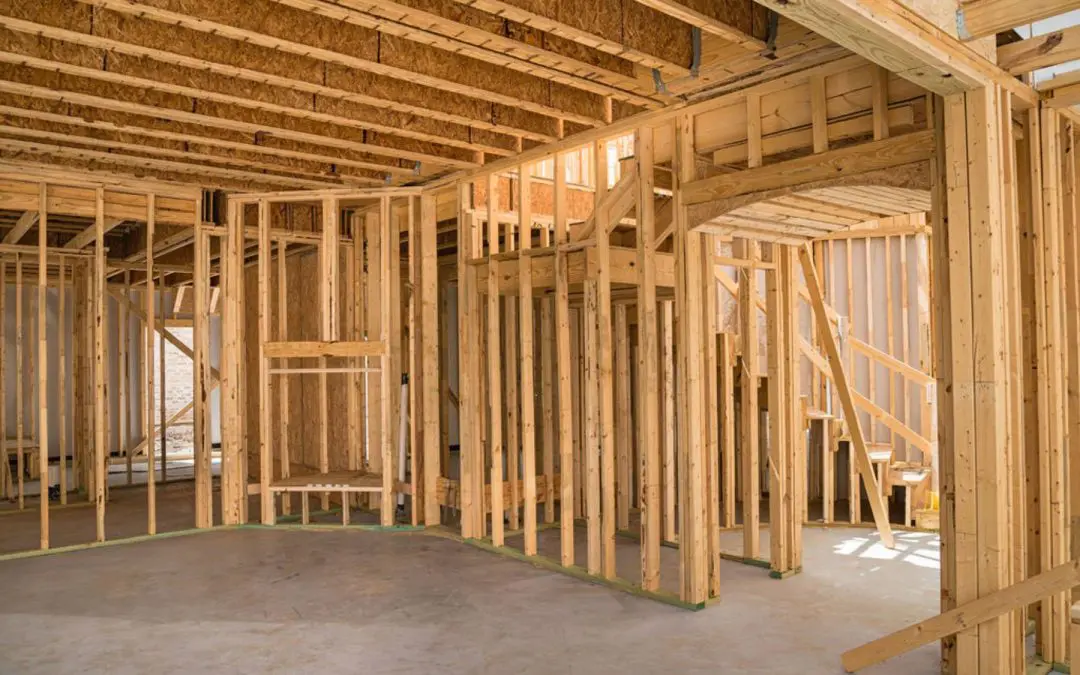
Buyers of homes that are still under construction at the time of purchase have an additional option: a phase inspection. Scheduling an inspector at key stages of construction, including rough framing, rough plumbing and electrical, and pre-drywall, allows evaluation of systems and structures that will be concealed once the walls are closed. This approach provides documentation of what was built inside the walls and is particularly valuable when major structural or mechanical concerns are identified that would be expensive and disruptive to address after the home is finished.
After the Inspection: Using Your Findings Effectively
A well-documented new construction inspection report is a tool for negotiation, not a cause for alarm. Most findings in a new construction home are correctable, and bringing them to the builder with a professional report gives you a specific, organized list of items to address rather than vague concerns they can dismiss. Builders are generally responsive to documented inspection findings when they are presented through the proper warranty and construction completion channels before closing.
Items that require attention should be submitted in writing, tracked through the builder’s response process, and verified before the final walkthrough. For any items of significance, a follow-up visit to confirm that corrections were made correctly is a reasonable and worthwhile request.
Exploring Fort Bend County While You Wait for Closing
Fort Bend County has more to offer than its subdivisions. Brazos Bend State Park, located just south of Rosenberg, is one of the most distinctive outdoor destinations in the Houston region. The park features miles of hiking and biking trails through wetland habitats along the Brazos River, one of the largest populations of wild alligators in Texas, and some of the best stargazing in the area thanks to an on-site observatory. It is a genuinely remarkable place to spend an afternoon and a reminder of the natural character that surrounds this fast-growing county.
Frequently Asked Questions About New Construction Home Inspections
Does a new home already have a building inspection, so why do I need my own?
Building inspections check for minimum code compliance at specific phases of construction. They are not the same as an independent buyer’s inspection performed in your interest. Building inspectors evaluate whether the work meets the legal minimum standard, not whether everything has been installed correctly or to a quality standard beyond the minimum. An independent inspection closes that gap.
What happens if the inspection finds problems in a new home?
Most problems found in new construction are correctable. The inspection report gives you documented, specific findings to bring to the builder before closing. Depending on your contract, you may be able to require repairs as a condition of closing, request adjustments, or at minimum, have the findings documented for future warranty claims. Going into closing with a documented inspection is a far stronger position than relying on verbal assurances.
Is a new construction inspection worth the cost in Fort Bend County?
Yes, without question. The inspection cost is modest relative to the purchase price of any new home in the Katy, Fulshear, or Richmond markets, and the protection it provides, both in identifying issues before closing and in giving you documentation for warranty claims, delivers value that far exceeds the fee. Buyers who skip the inspection to save the cost routinely discover post-closing that the issues they could have addressed before closing are now their problem entirely.
Can I be present during the new construction inspection?
Yes, and attendance is strongly encouraged. Being present for your inspection gives you firsthand insight into the home’s condition, the opportunity to ask questions as findings are identified, and a much deeper understanding of the home’s systems than you would gain from reading a report alone. Your inspector can explain what is significant, what is minor, and what to monitor going forward in a way that a written report alone cannot fully convey.
EZ Home Inspectors provides home inspection services to the Houston area. Contact us to schedule an inspection.