
A flea infestation is one of the most frustrating pest problems a homeowner can face, not because fleas are particularly difficult to kill, but because killing the adult fleas you can see addresses only a fraction of the actual problem. Flea eggs, larvae, and pupae represent the vast majority of a flea infestation at any given time, and they’re distributed throughout the home in carpet fibers, bedding, upholstery, and floor cracks. Any treatment that doesn’t account for the full flea life cycle will appear to work initially, only to produce a new generation of adults two to three weeks later.
Understanding the Flea Life Cycle to Beat a Flea Infestation
The reason flea infestations are so persistent is that only about five percent of a typical flea population consists of adult fleas. The other 95 percent, eggs, larvae, and pupae, exist in the environment rather than on the host animal, which means treating the pet alone addresses a small fraction of the infestation while the remainder continues developing in the carpet and bedding. Flea eggs are laid on the host animal but fall off into the environment within hours, concentrating wherever the pet spends the most time. Larvae hatch from eggs and burrow deep into carpet fibers and upholstery where they’re nearly impossible to see. The pupal stage is the most treatment-resistant phase; the sticky cocoon can remain dormant for months until vibrations or warmth signal a suitable host is nearby.
Treating a Flea Infestation Effectively Across the Home
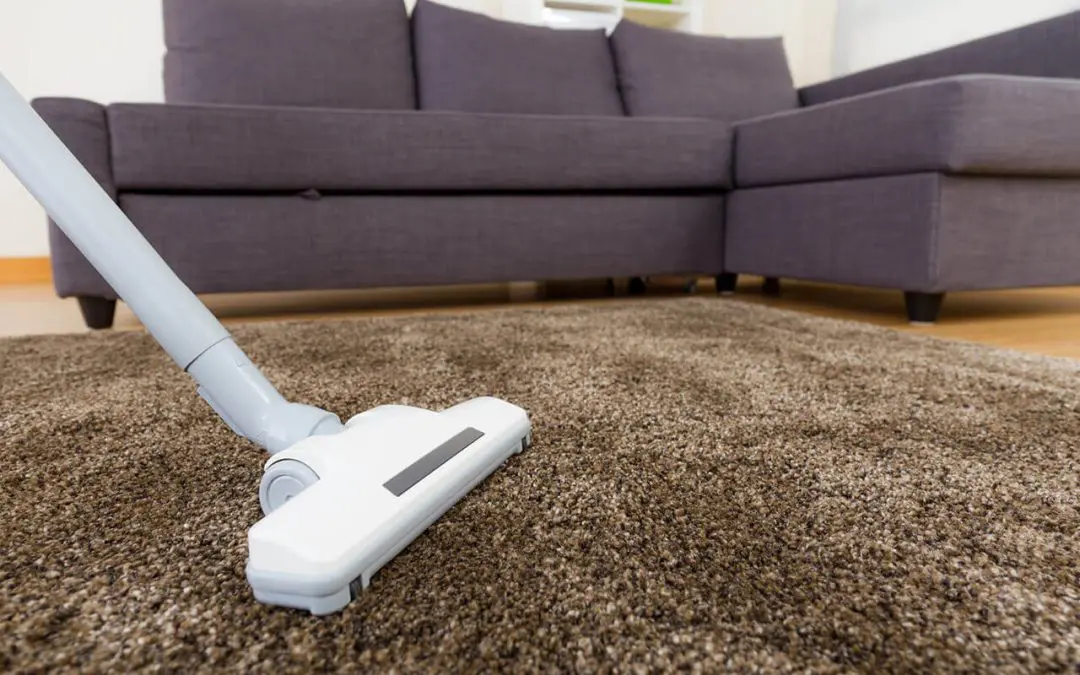
Effective treatment of a flea infestation requires simultaneous action on three fronts: the pet, the indoor environment, and the outdoor environment where the pet spends time. For the pet, veterinarian-prescribed flea treatment is the most reliable option. Over-the-counter products vary significantly in effectiveness, and all pets in the household must be treated simultaneously; treating one animal while another goes untreated maintains the infestation. Indoor treatment should begin with thorough vacuuming of all carpeted areas, upholstery, and along baseboards before any chemical treatment is applied. Vacuuming before treatment removes debris that would otherwise protect eggs and larvae, stimulates dormant pupae to emerge as adults, making them vulnerable to insecticides, and physically removes a meaningful percentage of the flea population. Wash all pet bedding, human bedding, and washable soft furnishings in hot water.
Preventing a Fleas From Returning
After an infestation is resolved, consistent prevention keeps it from recurring. Year-round flea prevention on all pets is the most important single measure, a flea infestation in the home almost always originates with the pet, and consistent prevention eliminates the introduction event that starts the cycle. Regular vacuuming of high-traffic and pet-frequented areas, washing pet bedding weekly, and inspecting pets after outdoor time in wooded or high-grass environments all reduce reintroduction risk. Outdoor treatment of areas where pets spend time, particularly shaded areas where flea larvae survive best, addresses the environmental reservoir that continues to produce fleas regardless of indoor treatment. A flea infestation resolved indoors can be quickly reestablished from an untreated outdoor environment where wildlife or neighboring pets continue to deposit eggs.
EZ Home Inspectors provides home inspection services to the Houston area. Contact us to schedule an inspection.