Practicing strong electrical safety habits is crucial for every homeowner. Electricity powers nearly every aspect of modern living, yet it is often taken for granted until something goes wrong. Faulty wiring, overloaded circuits, and aging electrical components can create serious safety hazards if left unaddressed. Understanding how to recognize risks and maintain a safe electrical system helps protect both people and property.
Why Electrical Safety Matters in Every Home
Electrical issues are one of the leading causes of residential fires and property damage. Many of these incidents are preventable with proper awareness and routine attention. Homes with older wiring, outdated panels, or poorly installed fixtures are especially vulnerable. Making safety a priority reduces the likelihood of emergencies while supporting a reliable and efficient home.
The Impact of Overloaded Circuits
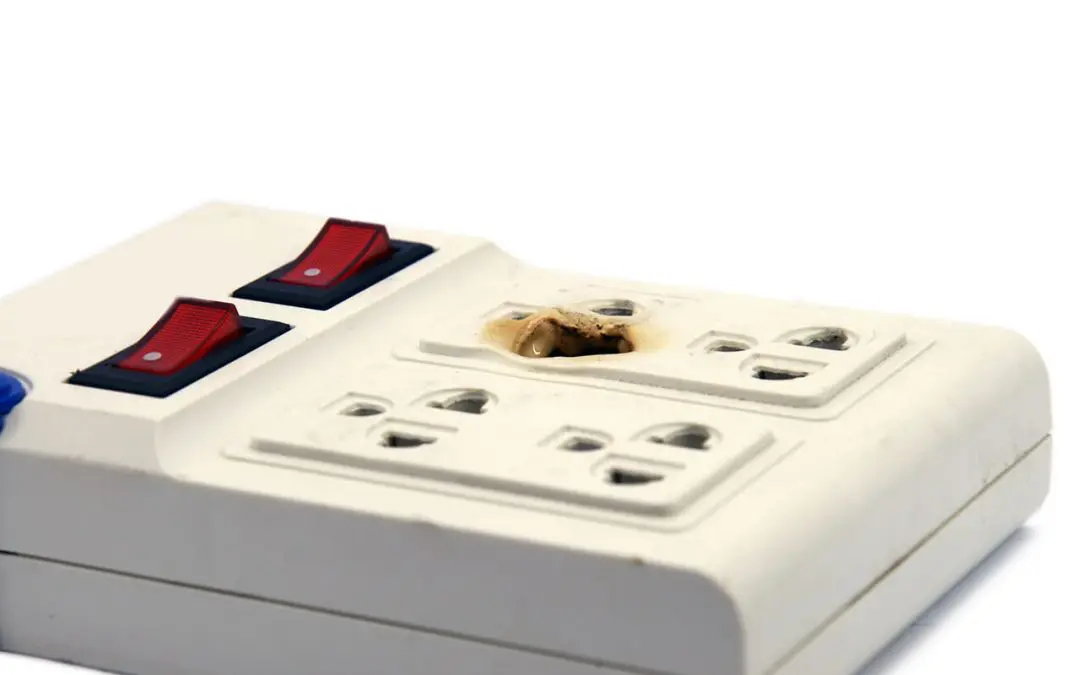
One of the most common electrical safety concerns involves overloaded outlets and circuits. Plugging too many devices into a single outlet or power strip could cause overheating and increase the risk of fire. Modern households rely on more electronics than ever, which may strain systems that were not designed for today’s demand. Spreading electrical loads across multiple outlets and upgrading circuits when needed helps maintain safer conditions.
Warning Signs That Affect Electrical Safety
Flickering lights, frequently tripped breakers, buzzing sounds, or warm outlets should never be ignored. These warning signs often point to loose wiring, failing components, or excessive demand on the system. Electrical safety depends on addressing these issues early, as delays could allow problems to worsen behind walls where they are harder to detect.
Electrical Safety in Older Homes
Older homes often require special attention when it comes to electrical safety. Aging wiring materials, such as aluminum or knob-and-tube systems, may no longer meet current safety standards. While these systems may still function, they often lack the capacity and protective features found in modern installations. Upgrading electrical panels and wiring not only improves safety but also supports the use of newer appliances and technologies.
Ground Fault and Arc Fault Protection
Modern electrical safety standards include ground fault circuit interrupters (GFCIs) and arc fault circuit interrupters (AFCIs). These devices are designed to shut off power when dangerous conditions are detected. Ground fault protection is especially important in areas where moisture is present, such as kitchens, bathrooms, and outdoor outlets. Arc fault protection helps prevent fires caused by damaged or deteriorating wiring. Homes without these safeguards may benefit from professional evaluation and upgrades.
Safe Use of Appliances
Daily habits play a significant role in maintaining safety. Using appliances as intended, avoiding damaged cords, and unplugging devices when not in use all help reduce risk. Extension cords should be used temporarily and never as a permanent solution. Regularly inspecting cords and plugs for wear helps prevent shocks, short circuits, and overheating.
Invest in Professional Inspections
Routine home inspections and electrical evaluations provide valuable insights into the condition and safety of the system. A professional will identify outdated components, improper installations, or developing hazards that may not be visible to homeowners. Investing in inspections supports long-term safety and provides peace of mind that the system is functioning as intended.
Electrical safety is not a one-time concern but an ongoing responsibility. By recognizing warning signs, practicing safe habits, and addressing system limitations, homeowners will reduce risks and maintain a safer living environment. A well-maintained electrical system protects not only appliances but also the people who rely on it every day.
EZ Home Inspectors provides home inspection services to the Houston area. Contact us to schedule an inspection.